
Not every construction project needs a civil engineer.
That is worth saying at the start.
However, when a project moves beyond basic building work, when ground conditions are uncertain, drainage becomes complex, or infrastructure is involved, that is usually the point where a specialist makes the difference between smooth progress and prolonged complication.
If you are searching for civil engineering Nottinghamshire, you are probably at that stage. Something about the project feels bigger than a straightforward build. Perhaps there are access roads involved. Perhaps drainage connects to public systems. Perhaps the structure will carry significant load.
Civil engineering is not about making things look good. It is about making them work properly beneath the surface.
What civil engineering actually covers
There is often confusion between general building work and civil engineering.
Builders focus on structures above ground. Civil engineers focus on the interaction between structures and the land, infrastructure and services that support them.
In practical terms, civil engineering services may include:
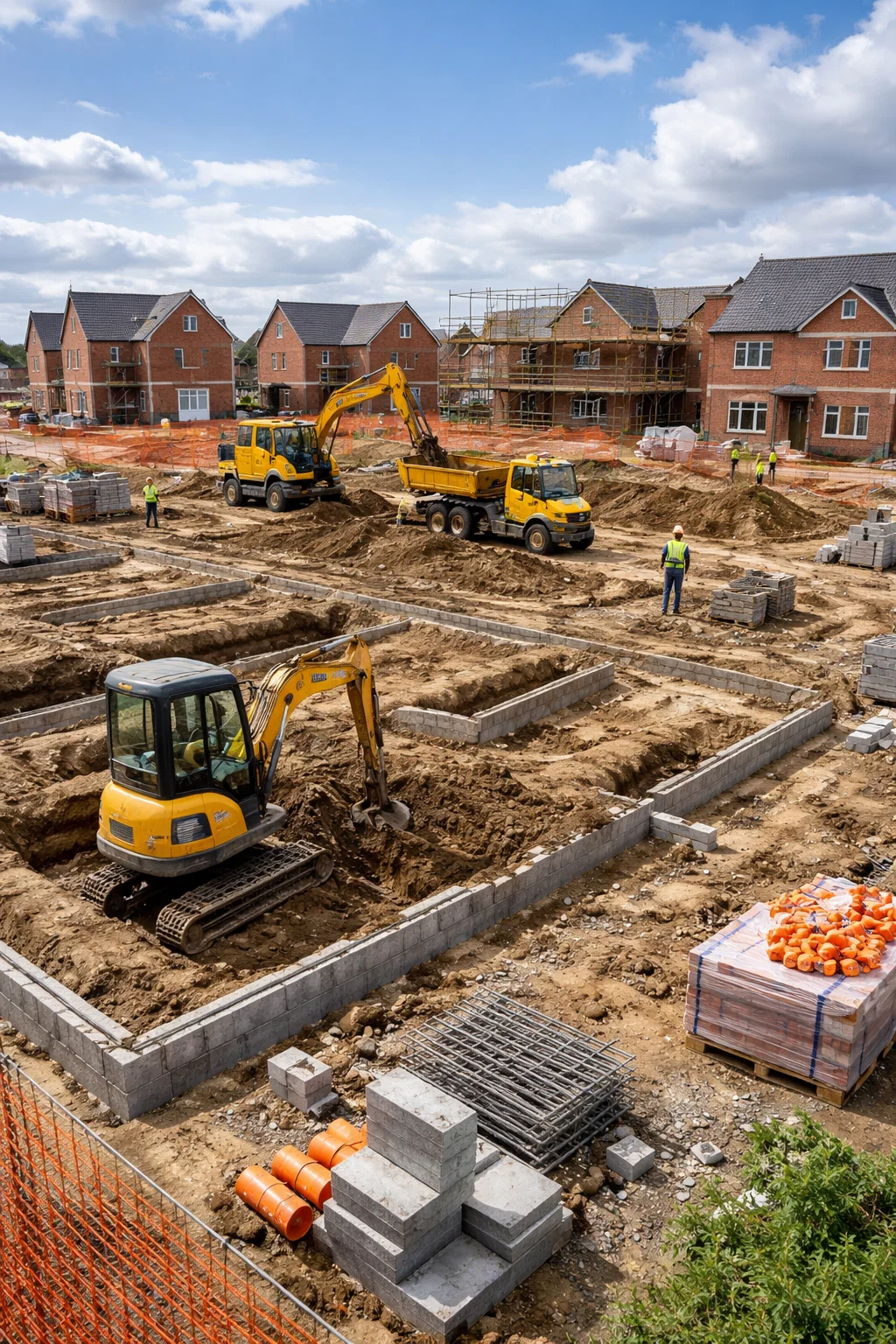
- Site preparation for commercial or industrial units
- Infrastructure for new developments
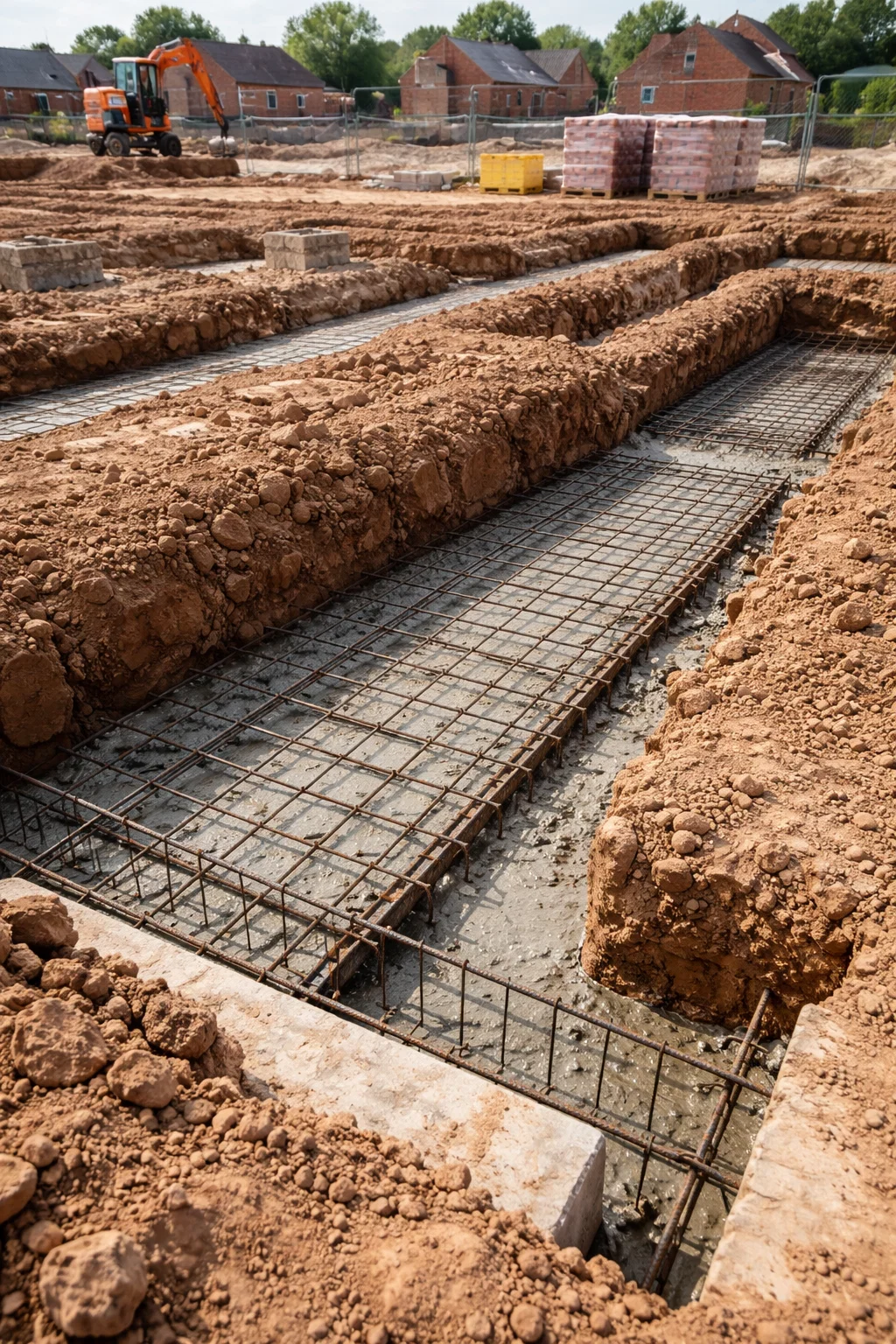
- Reinforced concrete structures
- Drainage design and installation
- Road construction and access routes
- Utility civils and service coordination
It is less about finishes and more about performance.
Many of these services sit alongside professional groundworks, but at a larger or more technically demanding scale.
When a specialist becomes necessary
There are clear moments in a project where civil engineering input is not optional.
Commercial and industrial developments
Warehouses, business units and distribution centres require precise groundwork and load bearing calculations.
Heavy vehicle traffic changes the demands placed on foundations and yard construction. Surface water management becomes more complex. Service routing requires planning.
This is not typical residential work.
Infrastructure and access roads
If a project involves creating new access routes, widening existing roads or installing reinforced surfaces for heavy vehicles, civil engineering oversight is usually required.
Road construction is about more than laying tarmac. Sub base depth, drainage falls and long term load performance must all be considered.
Complex drainage requirements
Nottinghamshire has varied soil conditions. Some areas drain well. Others sit on heavier ground that requires careful management.
Where drainage connects to public systems or must comply with stricter environmental standards, specialist input reduces the risk of non-compliance.
Drainage design often integrates with broader drainage solutions, particularly on larger developments.
Structural reinforcement and concrete works
Retaining walls, reinforced slabs and structural bases require accurate design and execution.
Errors in reinforcement placement or concrete quality are rarely visible immediately. They reveal themselves under load.
Civil engineering services address these risks at the planning stage rather than reacting later.
Civil engineering versus general contractors
It is not a question of better or worse.
General contractors are essential for building construction. However, when ground stability, infrastructure and long term load bearing become central to the project, specialist expertise becomes important.
For example, a small residential extension may not require civil engineering input. A multi-unit commercial development almost certainly will.
Understanding where that line sits prevents unnecessary risk.
Why Nottinghamshire conditions matter
Nottinghamshire includes urban areas, former industrial land and rural plots.
Each presents different challenges.
Former industrial sites may contain made ground or contamination requiring additional preparation. Rural land may have inconsistent compaction due to historical use. Urban developments often require careful integration with existing infrastructure.
Civil engineering services in Nottinghamshire must account for these local variations rather than applying generic solutions.
Experience in the region reduces uncertainty.
Cost considerations
Civil engineering work tends to represent a significant investment within a project budget.
Costs vary depending on:
- Site size and complexity
- Soil condition
- Infrastructure requirements
- Drainage design
- Reinforcement and concrete volume
- Access constraints
However, the greater financial risk often lies in inadequate preparation.
Rectifying structural or infrastructure failures after construction has begun can multiply costs significantly.
Regulatory and compliance factors
Commercial and infrastructure projects in Nottinghamshire are subject to various standards.
These may include:
- Building control approval
- Highway authority requirements
- Environmental regulations
- Utility provider specifications
Civil engineering specialists are familiar with these frameworks and plan work accordingly.
Compliance is rarely something to resolve after the fact.
What to expect from civil engineering contractors in Nottinghamshire
A specialist contractor approaches a project methodically.
You should expect:
- Detailed site assessment
- Coordination with structural engineers
- Clear sequencing plans
- Transparent discussion of risk
- Realistic programme estimates
The conversation should focus on long term performance, not simply immediate completion.
Common situations where specialist input is overlooked
Certain patterns repeat across projects.
These include:
- Underestimating drainage capacity on commercial sites
- Assuming uniform soil conditions across larger plots
- Rushing formation levels to meet build deadlines
- Treating road construction as standard paving
In each case, the absence of specialist input increases long term risk.
FAQs: Civil engineering Nottinghamshire
Do all commercial projects require civil engineering services?
Most medium to large commercial developments benefit from specialist input, particularly where infrastructure or heavy loads are involved.
Is civil engineering necessary for small residential builds?
Not usually, unless ground conditions or structural complexity demand it.
How does civil engineering differ from groundworks?
Groundworks focus on preparing land for construction. Civil engineering includes broader infrastructure, structural and compliance considerations.
Can civil engineering services reduce project risk?
Yes. Early specialist involvement often prevents costly structural or drainage issues later.
Are civil engineering projects disruptive?
They can be, depending on scale. Careful planning minimises disruption where possible.
Final thoughts
Civil engineering services in Nottinghamshire are not required for every project. However, when infrastructure, heavy load bearing or complex drainage are involved, specialist input becomes essential.
Searching for civil engineering Nottinghamshire usually means the project has moved beyond straightforward building work.
Handled correctly, civil engineering creates a stable foundation not just for structures, but for long term performance and compliance.
The visible building may attract attention. The engineering beneath it is what allows it to function reliably.