If you are planning a build in or around Grantham, the bit nobody sees is the bit that makes everything work. Groundworks are unglamorous. Mud on boots, strings and pegs, excavators that look larger than your plot. But when they are done right, the rest of the project flows. When they are rushed or under scoped, you pay for it later. This guide breaks down what groundworks actually cover, what a sensible budget looks like, how long things take, and the small choices that make a hard job feel easy. All written with groundworks Grantham projects in mind.
I am keeping this plain speaking. No mystery language. No vague promises. Just the decisions you will face and the order they come in.
What groundworks actually include
Groundworks is not one task. It is a sequence. Site set up, strip and dig, levels, drainage, services, sub bases and the structural bits beneath your slab or footings. On a typical domestic build or small commercial unit around Grantham, you can expect the following to appear on a proper scope.
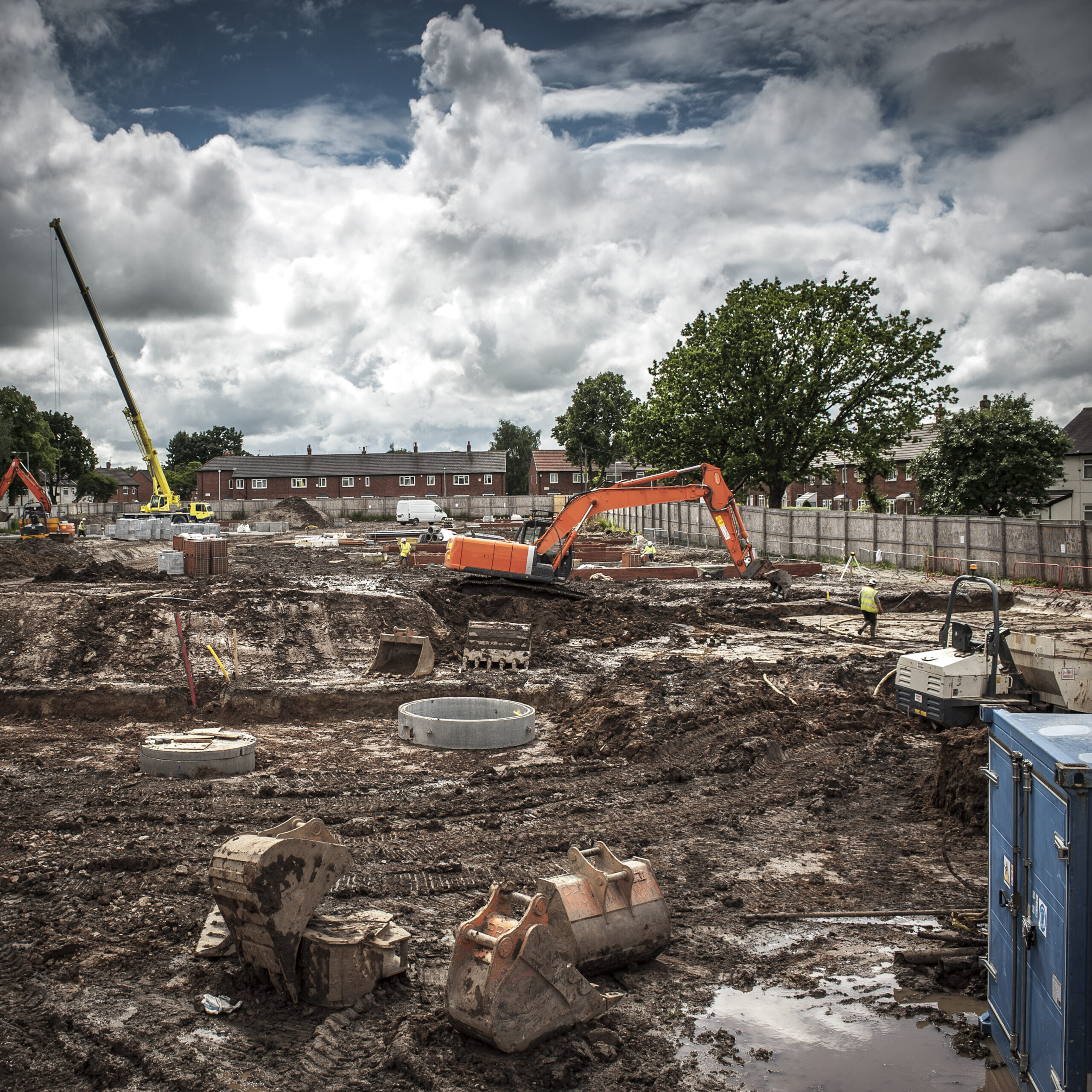
- Site set up: welfare, fencing or barriers, skips, clear access for plant, a safe place for materials
- Setting out and levels: the boring but vital bit with tapes, lasers and pins to lock in where everything sits
- Topsoil strip and muck away: skimming off the soft top layer and carting it to stockpile or disposal
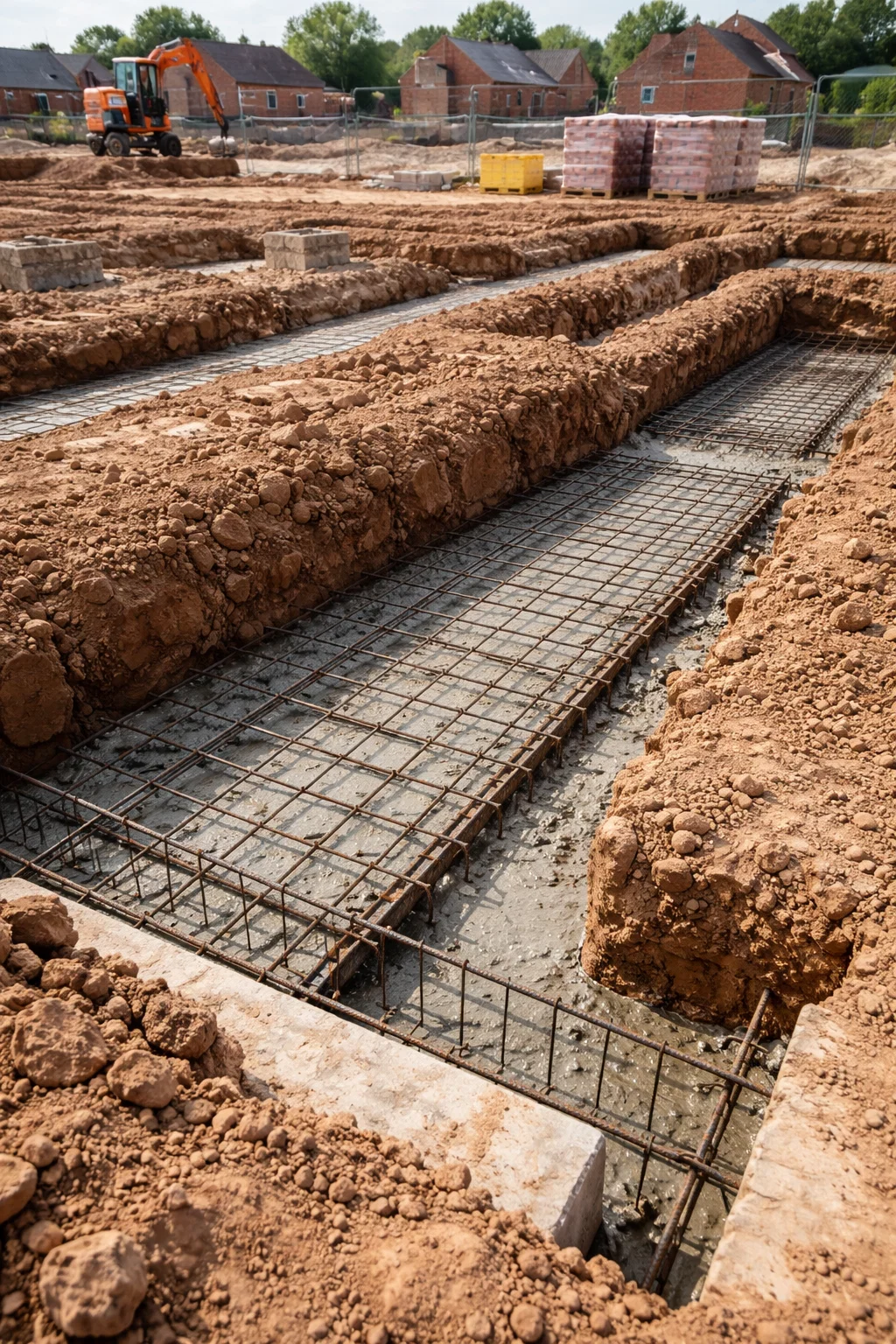
- Footings or trench fill: excavating to the required depth and width, then concrete to spec
- Ground beams or pads if the design calls for them
- Oversite and sub base: hardcore, compacted properly, and membranes where needed
- Drainage: foul and surface water runs, manholes, rodding access, connections to existing networks or soakaways
- Service ducts: electric, water, gas, data, often with draw cords left ready for later trades
- Drive and paths sub base: ready for the finishing crew even if the final surface goes down later
- Finishing around the plot: backfill, tidy levels, and temporary make good so the site is safe
Not every job needs every item, but that is the general shape. The value is in sequencing and coordination so nothing clashes. The excavator turns up once, not three times.
Costs in Grantham: sensible ranges and the things that move them
Let us talk numbers. People often ask for an exact figure before a shovel goes in. The truth is that ground conditions decide a lot. A well drained plot with easy access and standard strip footings is not the same as a tight site with clay that holds water and a high water table.
For small to medium residential work locally, here is a practical way to think about budgeting. Treat it as a ballpark to start conversations, not a fixed quote.
- Site set up and prelims for a modest plot can sit in the low thousands. Welfare, fencing, skips, fuel, plant mobilisation. It adds up.
- Topsoil strip and muck away is priced by area and depth plus haulage. Expect a few hundred per load to dispose depending on tip distance and material type. Clean inert is cheaper than mixed spoil.
- Foundations vary the most. Standard trench fill for an average extension might be in the mid thousands including concrete. Deep footings for poor ground or for building near trees can double that. The concrete volume is the big driver.
- Drainage runs and manholes can be a couple of thousand on a simple layout and more when levels are tricky or distances are long. New connections to mains can add cost and time.
- Sub bases for slabs, drives and paths usually land comfortably within a few thousand depending on area and thickness. The compaction done right is the difference between a surface that lasts and one that sinks.
- Service ducting and utilities are modest on materials, but careful trenching and reinstatement takes labour. Budget a small line here rather than assuming it is free.
Those ranges are deliberately broad because two plots that look the same on paper behave differently when you put a tooth in the ground. Good firms will price transparently with measured quantities and rates so you can see what changes if conditions do.
The five things that nudge the price up
- Access. If the excavator and wagons cannot get close, you are paying for extra moves, smaller kit and more time.
- Spoil classification. Inert, made ground, contaminated pockets. The cheaper tips will not take the wrong stuff, and haulage racks up miles.
- Water. High water table, heavy clay, winter rain. Pumping, shoring and drying time all add effort.
- Depth. Engineers do not ask for deep footings to be difficult. They ask because the ground says so. More depth equals more concrete and more muck away.
- Late changes. Moving a manhole or tweaking a level after the fact looks small on a sketch and big in real life.
How long groundworks take in real life
Again, ranges not promises. Weather in Lincolnshire plays its part and the time of year matters. But if you want a feel for programme, here is a shape that fits many groundworks Grantham jobs.
- Mobilisation and set up: a day or two to fence, bring in welfare, and set out the main lines
- Topsoil strip and bulk dig: two to four days for a typical extension or small new build footprint
- Foundations: excavation may be a couple of days if soils are kind, longer if there is shoring or stepped trenches. Concrete usually pours the same day or next morning
- Oversite and sub base: another two to four days for membranes, hardcore and compaction
- Drainage: two to five days depending on runs, manholes and depths
- Service ducting: a day or two folded into other phases
- Make good and tidy: a day to leave the place safe for the next trade
On simpler domestic jobs the whole sequence can be wrapped in two to three weeks. Larger plots, commercial yards and ground beams that require multiple pours will stretch that. What matters is the rhythm. One crew finishing as another begins. No dead days waiting for a machine that is tied up elsewhere.
How a proper survey protects your budget
There is a bit of magic in getting this stage right. Not the television sort. The kind that saves money. Before anyone prices, walk the plot with the designer or the groundworks lead. Lift inspection covers. Find invert levels. Confirm where services enter and how deep they sit. If there is a suspicion of made ground or old farm rubble, probe it. If trees are nearby, check the species and spread. Small details like those decide whether you are on standard strip footings or deeper trench fill with local thickening.
Ask for a short note on levels. Where the finished floor sits, how the drive falls, how rainwater will run. It sounds fussy. It avoids the classic mistake where the house ends up high and you are carting soil for days to build paths back up to it. Or the opposite where everything floods toward the door in a storm.
Drainage done sensibly
You do not need to love drainage to respect it. The basics are simple. Foul goes to foul. Surface water goes to soakaways or networks that are designed for it. Manholes at sensible points with rodding access so future you can clear blockages without digging. Fall rates that move water without racing it. Bedding done well so pipes stay where you put them.
If the site suits a soakaway, the sub base for the drive or a crate system in a planted area can do the job if sized correctly. If the ground is heavy or the water table is high, plan a lawful and robust route from the start and get the permissions moving early. Delays here cost more than they save.
Sub bases that do not sink
People see tarmac or slabs and forget the quiet hero underneath. A good sub base is about thickness, material quality and compaction. Use the right grade of aggregate, compact in layers, and protect against migration where ground is soft. Get those three right and your finished surface stays flat. Get them wrong and you will be chasing settlement and puddles for years.
For patios and paths, resist the urge to skimp because it is only the garden. The labour cost to come back and relay is always more painful than doing it right first time.
Working around existing services
Most plots have live services running across them. Buried electric, water, gas and comms do not like surprises. A simple CAT and Genny scan before trenching, careful hand digging near suspected routes, and clean marking as the job goes on keep everyone safe. Photograph routes and depths before backfill. Future you, or the next tradesperson, will be very grateful.
Buildable programmes that actually hold
There is a rhythm to groundworks Grantham jobs that finish on time. It looks like this. The crew turns up when they said they would. Plant is booked and arrives in working order. Concrete slots are secured in advance so you are not staring at a trench with rain forecast. Drainage parts are on site before you open the ground. The engineer is available to sign off excavation depth the day you reach it rather than three days later. And when the weather turns, there is a plan B that keeps the site productive.
Those are small management tasks. They are also the difference between a calm site and a stressed one.
What a good groundworks quote should include
Look for clarity in the scope and the quantities. You want to see measured areas for strip and sub base, estimated trench lengths for drainage with pipe sizes, the assumed foundation depth and concrete volume, the number of manholes and covers, and a clear list of what is included in prelims. Ask for unit rates where it makes sense so if you decide to increase the patio area or add a second soakaway, you already know the cost. Provisional sums for known unknowns are fine if they are realistic. Unlimited surprises are not.
A tidy drawing marked up with levels and routes is a strong sign you are working with a team that thinks ahead. So is a programme with float for weather. And an allowance for reinstatement. People forget reinstatement. It matters to how the site feels when you hand it over to the next trade.
Practical tips from busy sites
- Walk the site with the foreman on the first morning. Agree where spoil piles go, where wagons turn and where materials live.
- Keep a simple daily note of what moved. Loads of muck away, concrete in, ducts placed. It keeps the budget honest and makes changes easier to discuss.
- Protect the neighbour’s fence and driveway with boards if access is tight. A tiny courtesy that avoids a weekend of phone calls.
- If you are adding a driveway later, get the sub base done during groundworks while the kit is there. Much cheaper than mobilising again.
- Take photographs before backfill. Not just for records. For your sanity when someone asks where the water pipe runs a year from now.
Local conditions to keep in mind
Around Grantham you will find a mix of soils. Some plots sit on stiff clays that hold water and make winter digs sticky. Others are over old agricultural ground with softer patches from years of landscaping and farm use. Neither is a problem if you plan for it. In wetter months, budget for extra matting on access routes and allow time for pumping and drying if you strike water. In summer, dust control and clean edges become the focus. Season by season, the recipe stays the same. Good preparation, the right kit and a crew that knows when to press on and when to pause.
The short version if you are skimming
Groundworks are the foundation of your project in every sense. Costs swing on access, soil, depth and spoil. Timelines are measured in weeks, not months, when the job is well planned. A solid scope covers setting out, strip, foundations, drainage, ducts and sub bases with tidy reinstatement at the end. The right team will make it feel straightforward because they have already solved the usual problems on paper before they step onto site.
If you want groundworks Grantham residents can trust, start with an honest survey and a priced plan that shows your quantities. Agree the programme, book the concrete, and keep the lines of communication calm and open. Get those basics right and the rest of the build will feel easier from day one.