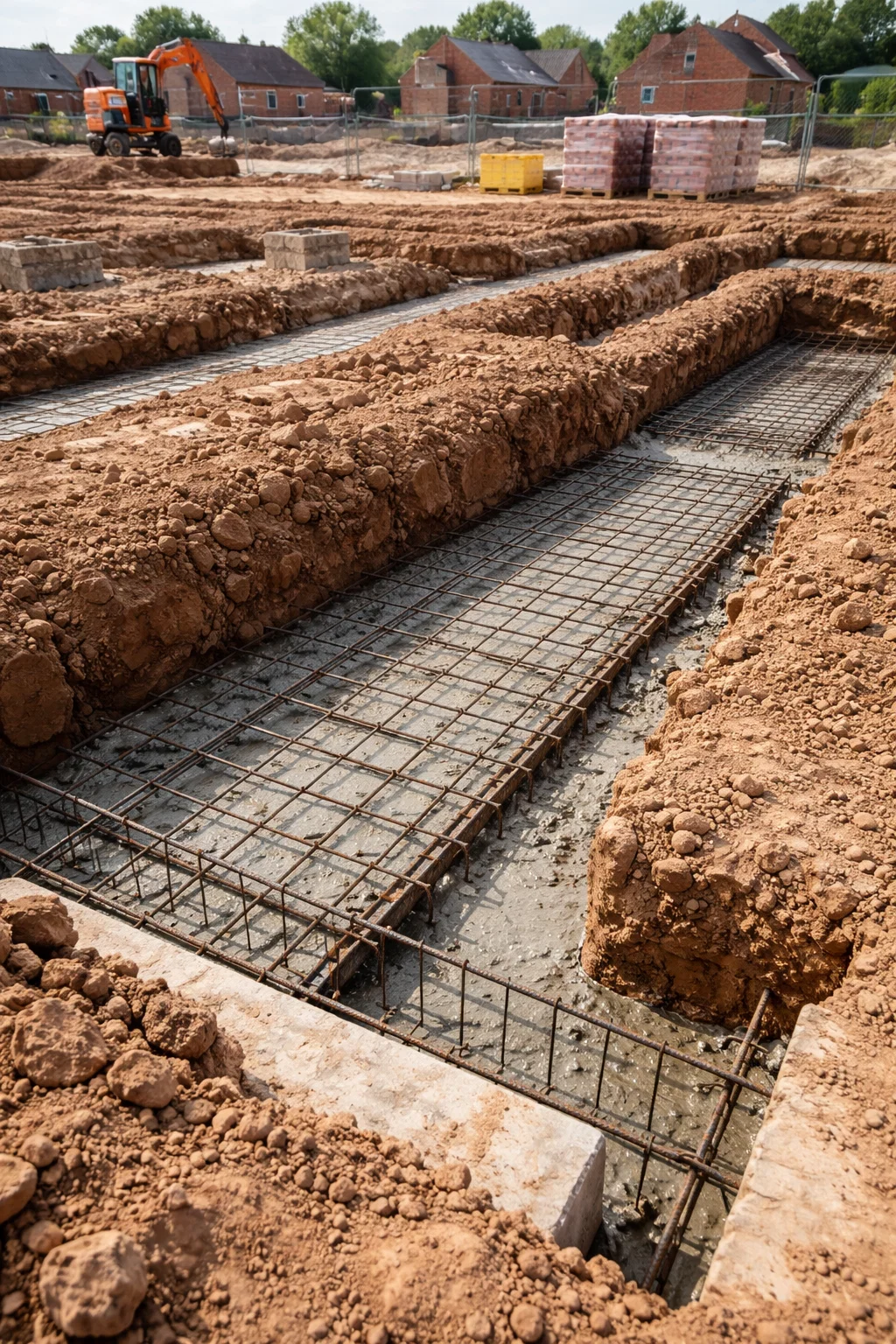

Driveway drainage is one of the most common issues homeowners face when upgrading or replacing a driveway. Many people focus on the design, materials or layout, but forget that poor drainage can lead to serious problems. Water pooling across the surface, damp patches along brickwork, or even structural damage can appear if the drainage has not been planned properly. More importantly, UK regulations place clear responsibilities on homeowners, so it is essential to understand what is allowed before any work begins.
This guide explains the current driveway drainage rules in the UK, how they apply to domestic properties, and what homeowners should consider during a new installation. If you are planning a new driveway and want support from an experienced team, you can learn more about our driveway services by visiting the Buildable driveways page at driveway installation services.
Why Driveway Drainage Matters
Good drainage protects both your home and the surrounding environment. With heavy rain becoming more common in the UK, surfaces that cannot drain water efficiently can cause water to run into the street or back towards a property. This may increase the risk of local flooding or cause damage to nearby buildings.
Driveways that drain well also last longer. Water that sits on the surface can freeze during winter and weaken materials. Over time this leads to cracks, dips and surface wear. Proper drainage helps prevent these issues and reduces maintenance.
UK Rules for Driveway Drainage
The most important rules for domestic driveways come from planning legislation and SuDS requirements. These help control how surface water flows and reduce pressure on drainage systems.
1. Permeable Driveways Do Not Require Planning Permission
If your driveway uses permeable materials, you usually avoid planning permission. Permeable driveways let water soak into the ground instead of running onto the road. Common permeable materials include resin bound systems, gravel, permeable block paving and some porous asphalt mixes.
Homeowners often choose permeable surfaces because they meet SuDS guidance and keep the installation simple. They also reduce the risk of standing water, which improves safety.
2. Impermeable Driveways May Need Planning Permission
If you choose an impermeable driveway that sends water onto the street or into drains, you may need planning permission. This applies to surfaces such as standard tarmac, concrete or traditional block paving without a drainage solution.
Planning permission is usually required when the driveway area is more than five square metres and there is no approved drainage method. Many homeowners are not aware of this rule. It exists to help reduce surface water flooding across towns and cities.
3. Drainage Must Direct Water Away from Public Highways
Water from a driveway must not run onto the pavement or street. Even a small flow can create hazards for pedestrians and road users. Instead, water should drain into a soakaway, a channel drain, a permeable surface or an approved water management system.
This is one of the most important points in UK rules and is often checked during inspections.
4. Soakaways Must Meet Building Regulations
Soakaways are a popular option for homeowners who want an impermeable driveway but need a compliant drainage system. A soakaway must sit at least five metres from the house or any structure. It should also be placed in ground that drains well.
A poorly designed soakaway can fail, which causes water to rise back to the surface. As a result, it is always worth having a qualified installer carry out the work.
Common Drainage Solutions for Domestic Driveways
Every driveway is different. The right solution depends on the material, the slope and the available ground space.
Permeable Surfaces
Permeable driveways absorb water instead of moving it. Resin bound surfaces are one of the most reliable permeable options. They allow natural drainage while keeping a clean, modern finish. Permeable block paving is another strong choice and looks similar to standard block paving.
Linear and Channel Drains
Channel drains sit across the front or middle of the driveway and collect water before it reaches the pavement. The water is then directed to a soakaway or a suitable drain point. These drains work well with block paving and concrete driveways.
Soakaways
A soakaway is a pit filled with stones or a modern crate system. It holds rainwater and lets it disperse slowly into the surrounding soil. Many block paving and tarmac driveways use a soakaway as part of a drainage plan.
French Drains
A French drain is a trench filled with gravel that helps water move away from a property. It works well for driveways that slope towards the house.
How to Tell if Your Driveway Has Poor Drainage
Several signs suggest that your driveway needs better drainage. The most common issues include:
- Puddles that remain long after rain has stopped
- Water running towards the house rather than away from it
- Damp patches on surrounding walls
- Moss or algae growing across the driveway
- Cracks forming due to constant moisture
- Water flowing across the pavement into the road
If you notice any of these problems, it is worth speaking to a professional. Issues are usually easier and cheaper to fix when caught early.
Choosing the Right Drainage Option
Your choice will depend on the material you prefer and the layout of your property. For example, if your driveway slopes away from the house, a simple channel drain may be ideal. If your soil drains well, a soakaway can work effectively. For homeowners who want a low maintenance solution, a permeable driveway often gives the best long term results.
Since each property has unique needs, a site assessment helps make an informed decision. Our team at Buildable can recommend the right drainage setup based on your space, ground conditions and preferred driveway material. More details about our approach can be found through our driveway installation service at Buildable driveways.
Why Professional Installation Matters
Driveway drainage rules are strict for good reason. A poorly installed driveway can cause long term damage to your property and increase flood risks. Professionals understand the regulations, the technical requirements and the best materials for local ground conditions.
A qualified team will check the slope, assess soil drainage and design a compliant system that looks good and performs well. Proper installation protects both your home and the wider environment.
Final Thoughts
Driveway drainage can feel complex but the rules are clear once you understand the basics. Permeable surfaces are the most straightforward option, while impermeable driveways need a proper drainage solution. Whether you choose a soakaway, channel drain or a fully permeable surface, a well designed system gives you a driveway that lasts and stays safe.
If you are planning a new driveway and want guidance from a trusted local team, you can speak to Buildable for friendly advice or a tailored quotation. Contact us through the Buildable contact page at get in touch.