Underpinning is one of those words that makes people uneasy.
Most homeowners never expect to need it. Developers hope it will not come up. Yet across Lincolnshire, particularly in older properties and areas with clay soil, underpinning is sometimes the only sensible way to stabilise a building.
If you are searching for underpinning contractors in Lincolnshire, chances are something has already caught your attention. A crack that keeps reopening. Doors that no longer shut cleanly. Floors that feel slightly uneven.
The key is understanding when underpinning is genuinely required and when it is not. Not every crack means structural movement. Equally, not every movement problem can be ignored.
This guide explains what underpinning involves, why properties in Lincolnshire sometimes need it, and how experienced contractors approach the work properly.
What underpinning actually is
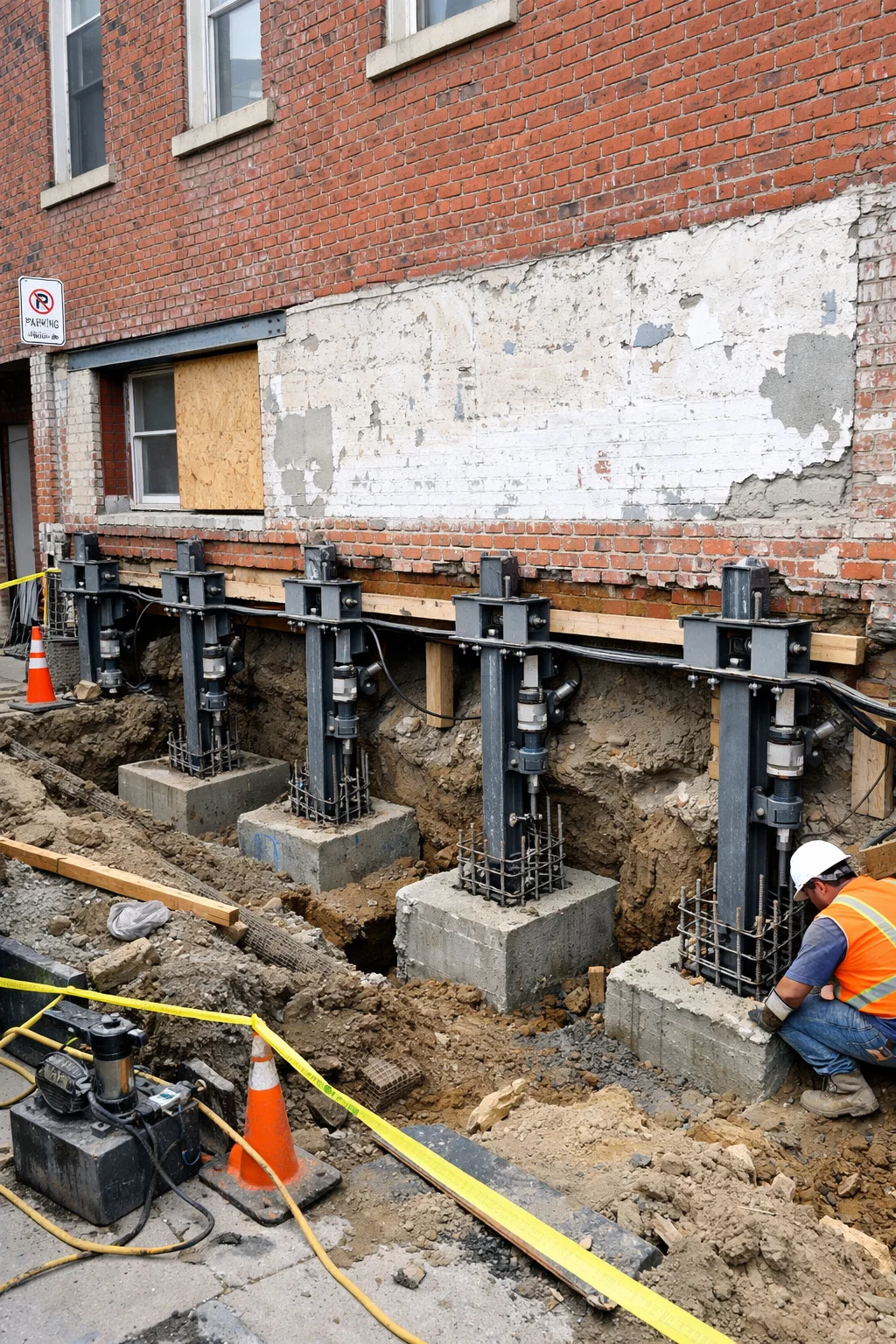
Put simply, underpinning strengthens or stabilises existing foundations.
It is carried out when the original foundations are no longer sufficient to support the structure above. That can happen for several reasons, from soil movement to structural alterations carried out years earlier.
Underpinning does not fix cosmetic cracks alone. It addresses the root cause beneath the building.
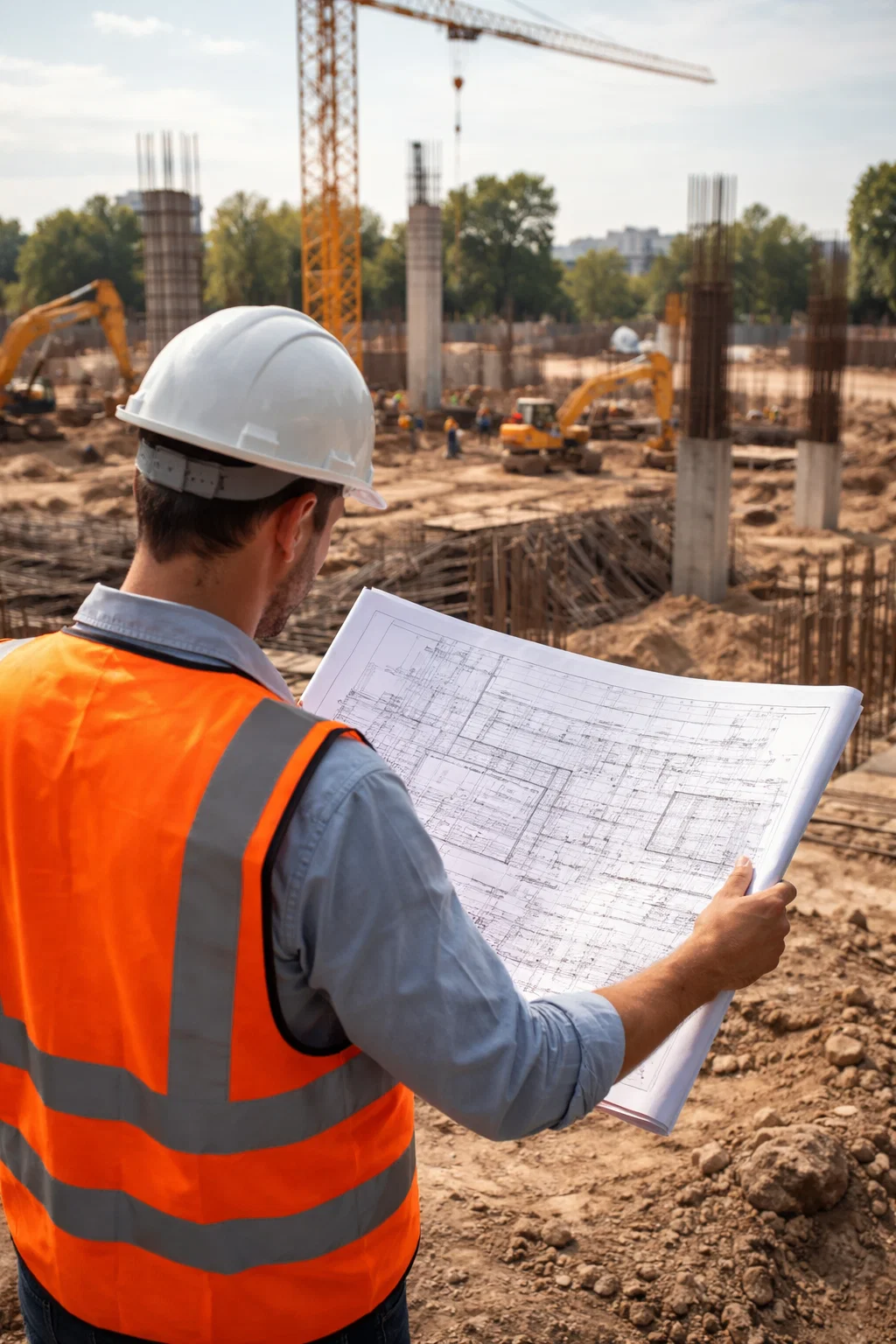
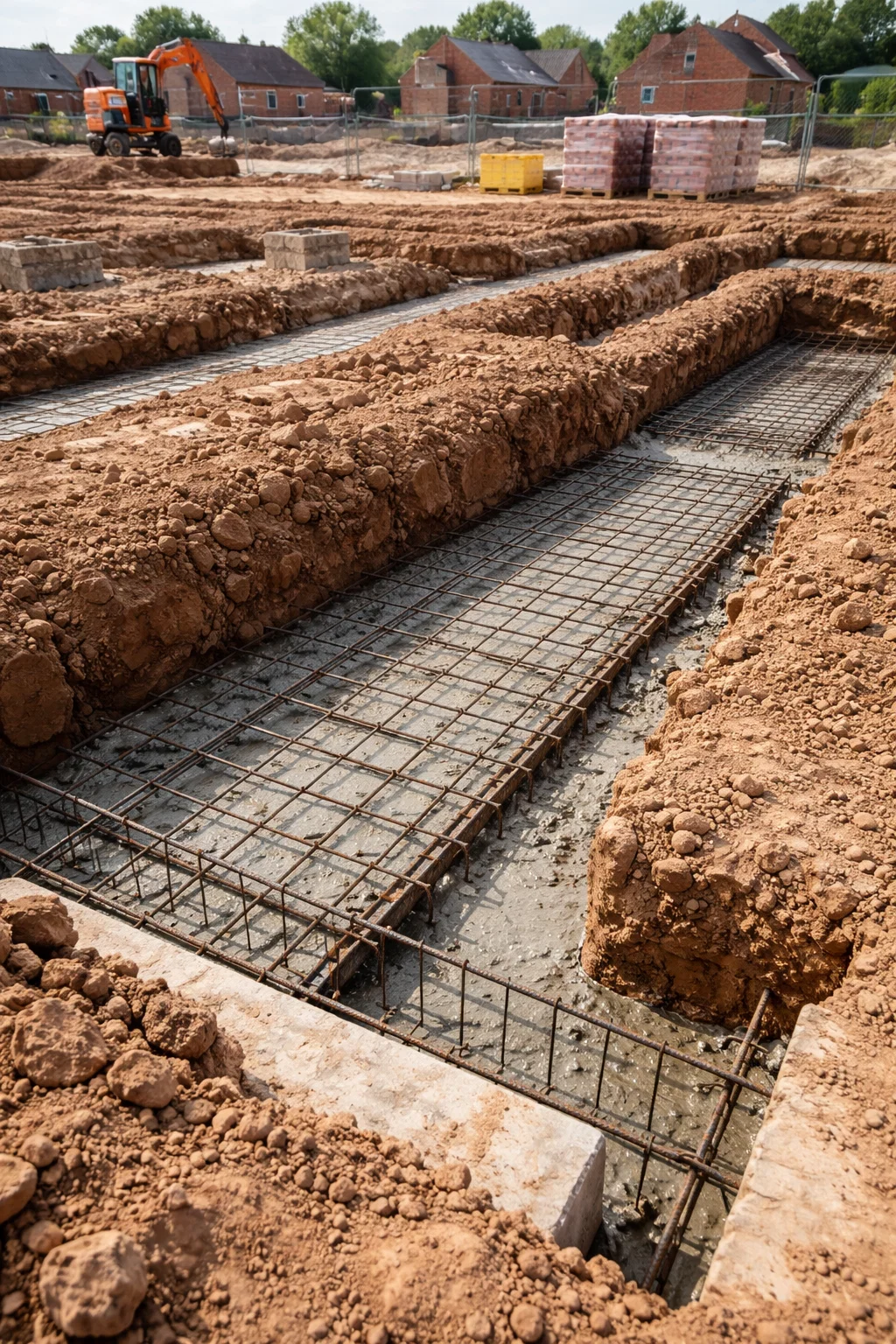
In many cases, underpinning forms part of wider groundworks where structural stability must be corrected before further construction can safely continue.
Why properties in Lincolnshire sometimes need underpinning
Lincolnshire presents particular ground conditions that can influence foundation performance.
Large parts of the county sit on clay soil. Clay expands when wet and contracts when dry. Over time, this repeated movement can affect shallow foundations, particularly in older properties built before modern building standards.
Other common causes include:
- Long term drainage issues near foundations
- Tree roots affecting soil moisture levels
- Poor original foundation depth
- Nearby excavation or building work
- Structural changes such as extensions
In rural areas especially, properties may have been built decades ago with foundations that would not meet today’s standards.
Not every movement issue requires underpinning. However, when movement is progressive or structurally significant, professional intervention becomes necessary.
Signs underpinning may be needed
Some warning signs are subtle. Others are more obvious.
Look for:
- Cracks wider than a few millimetres that continue to grow
- Cracks that taper diagonally from windows or doors
- Doors and windows sticking despite adjustment
- Sloping or uneven floors
- Gaps appearing between walls and ceilings
It is important not to panic. Hairline cracks can be normal. The pattern, size and progression are what matter.
This is why experienced underpinning contractors in Lincolnshire will inspect a property carefully before recommending any work.
When underpinning is not required
This is equally important.
Cracks caused by plaster shrinkage, minor seasonal movement or thermal expansion do not automatically justify structural intervention.
A reputable contractor will not rush to recommend underpinning without evidence of ongoing movement. In some cases, monitoring over several months may be advised before decisions are made.
The aim is stability, not unnecessary work.
How underpinning works in practice
There are several underpinning methods, but traditional mass concrete underpinning remains common in residential settings.
The process typically involves:
- Excavating sections beneath existing foundations in stages
- Pouring concrete to extend the foundation depth
- Allowing each section to cure before moving to the next
This staged approach maintains structural support throughout.
For larger or more complex projects, engineered solutions may be required. These can include beam and base systems or specialist piling.
The exact method depends on ground conditions, property design and structural assessment.
The role of drainage in underpinning
Drainage and underpinning are closely connected.
If poor drainage has contributed to soil movement, addressing the foundations without resolving water issues would be short sighted.
Many projects combine underpinning work with dedicated drainage solutions to prevent recurrence. Stabilising the ground without managing moisture levels rarely delivers lasting results.
Underpinning and property extensions
Underpinning is sometimes required before building an extension, especially where new foundations interact with older, shallower ones.
In such cases, structural strengthening ensures the original building can cope with changes in load distribution.
This is why underpinning is often part of broader structural planning rather than an isolated fix.
How much does underpinning cost in Lincolnshire?
Costs vary significantly depending on the extent of work required.
Factors influencing price include:
- Length of affected wall
- Depth of excavation
- Soil conditions
- Access constraints
- Need for drainage improvements
- Structural engineering input
Underpinning is not inexpensive. However, ignoring genuine structural movement can lead to far greater repair costs later.
A detailed site assessment is essential before any meaningful cost estimate can be given.
What to expect from underpinning contractors in Lincolnshire
Choosing the right contractor is critical.
You should expect:
- A thorough site inspection
- Clear explanation of findings
- Honest discussion of alternatives
- Collaboration with structural engineers where necessary
- Transparent breakdown of proposed work
Experienced contractors focus on solving the problem, not escalating it.
Common concerns about underpinning
Many homeowners worry about disruption. While underpinning is invasive, it is controlled and methodical when carried out properly.
Noise, excavation and temporary access restrictions are part of the process. However, careful sequencing minimises risk and structural stress.
Concerns about property value are also common. In reality, properly documented underpinning can reassure future buyers that issues have been addressed professionally.
FAQs: Underpinning contractors Lincolnshire
How do I know if I really need underpinning?
A site inspection by experienced underpinning contractors in Lincolnshire is the first step. Monitoring may be recommended before work is confirmed.
Is underpinning always caused by subsidence?
Not always. Foundation depth, drainage issues and structural alterations can all contribute.
How long does underpinning take?
Timescales depend on project size. Smaller sections may take several weeks. Larger properties can take longer due to staged excavation.
Can I stay in the property during underpinning?
Often yes, although this depends on the scope of work and access requirements.
Does underpinning fix drainage problems?
No. Drainage must be addressed separately, although the two issues are often connected.
Final thoughts
Underpinning is not a decision anyone takes lightly.
Across Lincolnshire, ground movement and ageing foundations mean it is sometimes necessary. However, it should only be recommended where evidence supports it.
If you are seeing persistent cracks or structural changes, early assessment is far better than waiting. Speaking to experienced underpinning contractors in Lincolnshire can clarify whether monitoring, drainage improvements or structural strengthening is the right path.
Handled properly, underpinning restores stability and protects the long term integrity of your property.